

How to sell your boat in Australia
Looking to sell your boat? This guide shares real tips for selling a boat the smart way, with expert insights to help you avoid delays and get the best price.



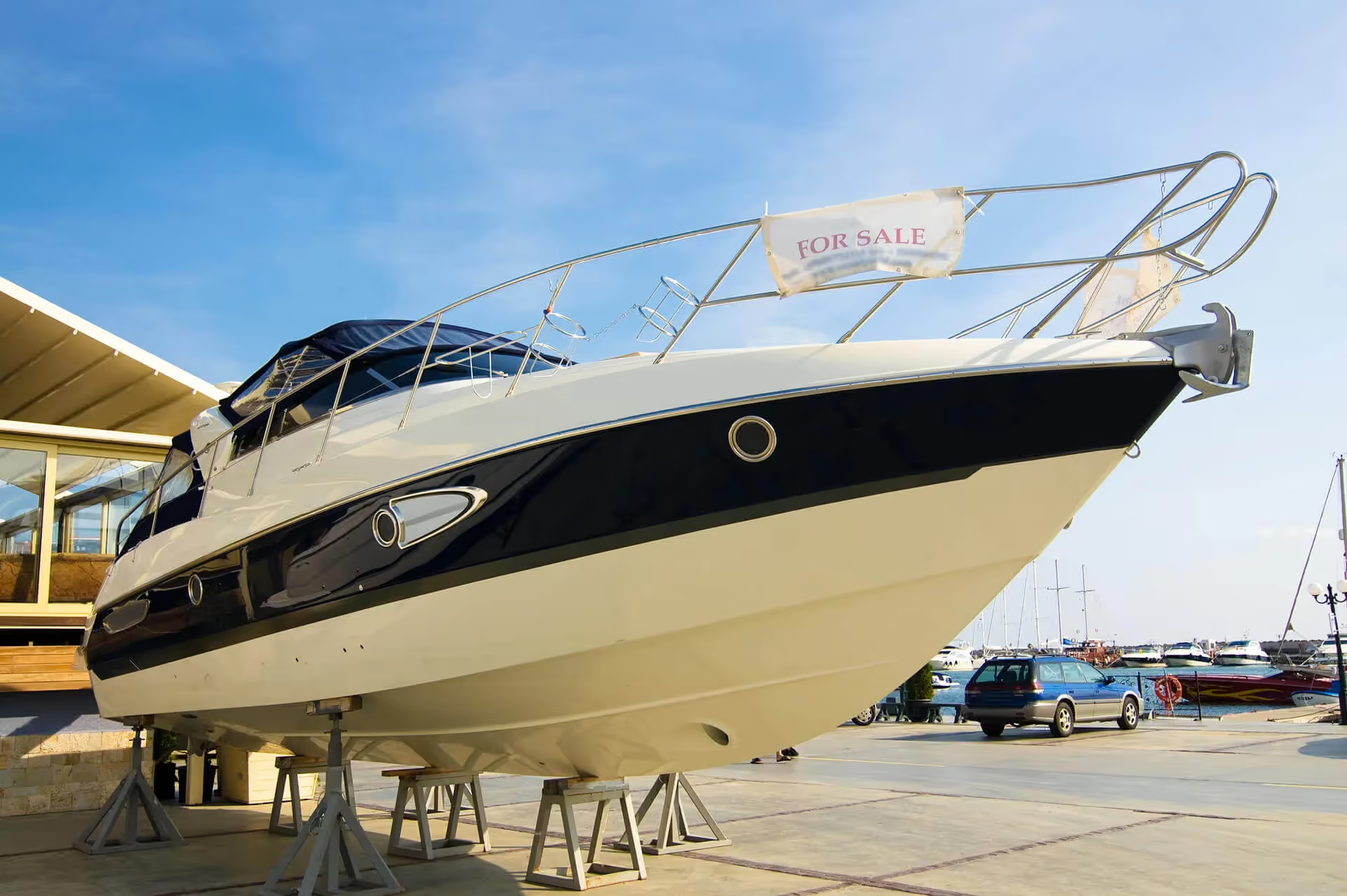
Your no-nonsense guide to selling with confidence
If you’re reading this, chances are you’ve got a used boat you’re ready to part with. Maybe it’s served you well on long weekends and fishing trips, or maybe it’s been sitting idle in the marina a bit too long. Either way, selling doesn’t need to be a slow or complicated ordeal.
We’re going to teach you how to sell your boat. This guide is here to help everyday Aussie boat owners cut through the confusion. We’ve laid it out the way we’d explain it to a mate: clear, honest and without any industry fluff. We’ll show you how to sell quickly and confidently, with tips that’ll save you time and help you avoid the common stuff-ups that catch sellers off guard.
Here’s what we cover:
- The different ways to sell a boat and how to choose the right one for you
- What kind of seller you are and how that shapes your path
- What “selling for cash” actually means in Australia
- Tips for preparing your boat and paperwork properly
- How to price fairly without underselling
- Staying safe when dealing with buyers privately
- Common myths that cause delays or regret
- Why more sellers are choosing 1800 Boat Buyers
Whether you're looking to move on from an old tinnie or part ways with a well-loved cruiser, this guide will give you the clarity and confidence to sell smart. And if you’re ready to get started, you can always contact us for help with your next steps.
Let’s begin by looking at the different ways you can sell your boat and what each option actually involves.

Where to sell your boat
There’s no shortage of ways to sell a boat in Australia, but not every option suits every seller. Some people want the highest possible price and don’t mind waiting months. Others just want the thing gone without the hassle. Before you dive into listings or hand it off to a broker, it’s worth understanding how the different options stack up.
We’ve broken it down into four common paths: selling privately online, going through a broker, using an auction house, or selling directly to a buyer like us. These are the most common ways private sellers navigate the boat sales process. Each comes with its pros and pitfalls, and what works best depends on how much time, effort and control you want to invest.
If you're looking for the fastest path with the least hassle, direct buyers are often the best fit. This is especially true when the goal is to ensure a smooth and successful sale without delays or drawn-out negotiations. And once you’ve got a clear idea of your goals, it helps to figure out what kind of seller you are. The right approach depends on your situation and what matters most to you.
What type of boat seller are you
Not everyone’s selling for the same reason. Some folks are upgrading, some are relocating, and others just want to make space and free up funds. Your goal shapes how you should go about the sale. Here’s a simple way to figure out what kind of seller you are and which approach might suit you best.
If you’re selling a high-end rig, it’s easy to assume a broker or consignment yard is your best bet. And in some cases, that may work out. But it’s not the only path worth considering. Sellers of premium boats often find that going direct means less time waiting around, fewer hidden costs, and more control over the sale. If you’re after a straightforward process and a result that doesn’t drag out over weeks or months, this can be a smarter way of selling your boat.
Knowing where you fit helps take the guesswork out of choosing the right way to sell. And if one of your goals is to get paid quickly and securely, it’s worth understanding what “selling for cash” really means in today’s world.
What to know about selling a boat for cash
Handing over a stack of notes in a marina car park isn’t the smartest way to go. When people say they want to “sell for cash,” what they usually mean is that they want the money quickly and safely. The last thing you want is physical cash in hand from a buyer you’ve never met before.
What cash really means in a boat sale
In most cases, “cash” just means a fast, guaranteed transfer. A direct deposit via Osko is instant and traceable, and much safer than dealing with physical money or cheques. It gives both parties peace of mind and leaves a paper trail.
Who actually buys boats for cash
Some buyers say they’ll pay in cash but disappear when it’s time to commit. That’s where companies like 1800 Boat Buyers are different. We offer genuine quotes, pay instantly via Osko, and can organise boat collection from just about anywhere. That could be your driveway, a storage shed, or a dry stack on the coast.
If you’re looking to avoid delays, negotiation stress or payment uncertainty, selling to a reputable boat buyer is often the simplest option. And before you get too far down the path, it's worth making sure your boat is in the right shape for sale. A little preparation can go a long way.
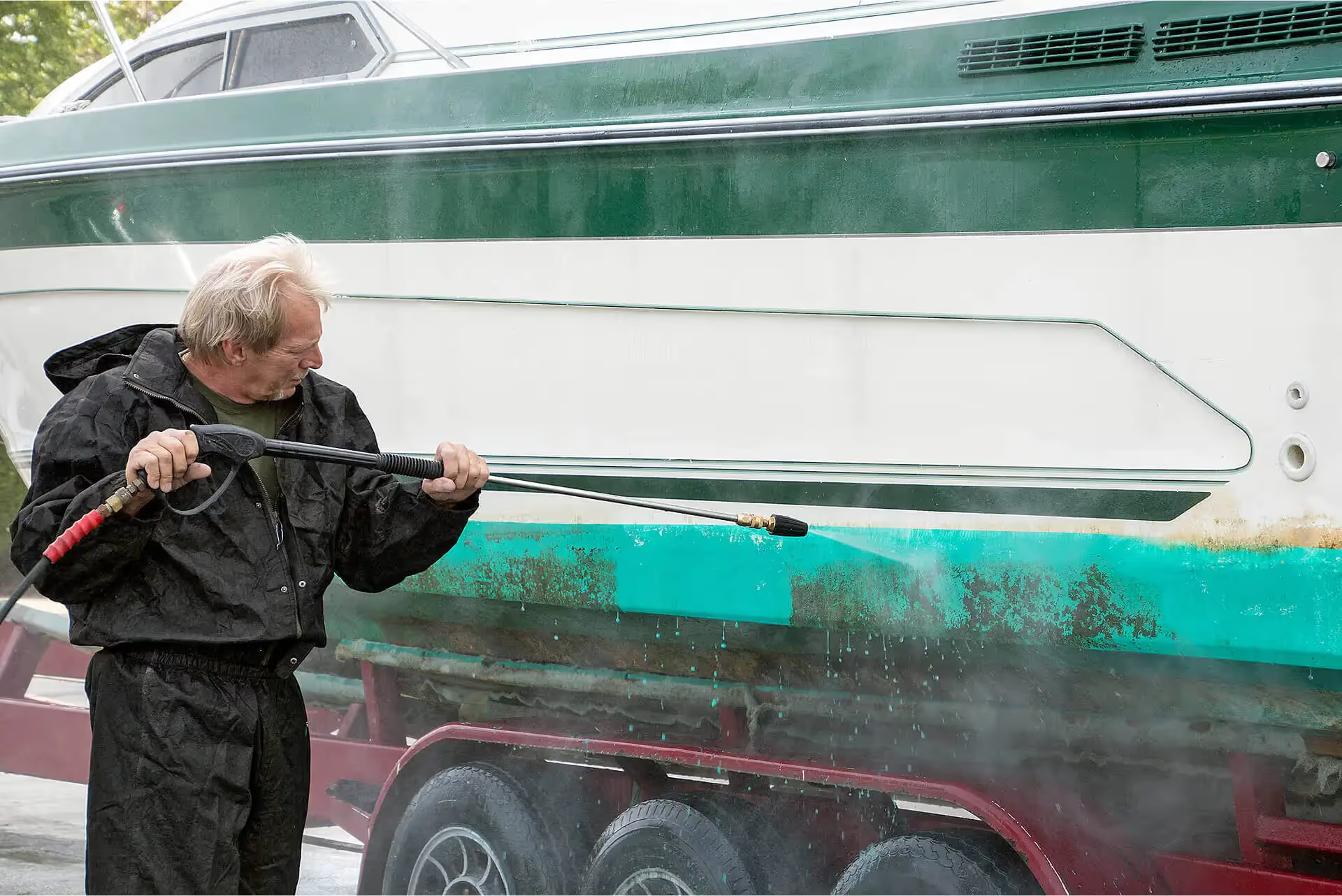
How to prepare your boat for sale
Selling a boat is a lot easier when it looks the part. Whether you're dealing with a runabout or a cruiser, buyers want to know it's been cared for. The good news is, you don’t need to spend a fortune to get things ready. just a bit of time, elbow grease and the right paperwork.
Step 1: Gather your documents
Track down your proof of ownership, a valid photo ID, and the boat’s registration and service history. If you’ve got a manual or a recent insurance policy, keep those handy too. It shows buyers you're organised and upfront.
You’ll also need to notify the right government body to transfer the registration. Here’s a quick guide depending on where your boat is registered:
- Victoria: VicRoads (transfer must be completed within 14 days)
- New South Wales / ACT: Transport for NSW (transfer required within 14 days)
- Queensland: Department of Transport & Main Roads (timeline applies)
- Western Australia: Department of Transport WA (notify as soon as possible)
- South Australia: Service SA (transfer within 14 days)
- Tasmania: Marine and Safety Tasmania (14-day transfer window)
- Northern Territory: Motor Vehicle Registry NT (check process for interstate sales)
- ACT: Access Canberra (vessels transferred through this portal)
If you're selling through us, we can handle this part for you and make sure all the paperwork goes where it needs to. No forms, no queues, no fuss.
Step 2: Clean and inspect the vessel
Give everything a proper wipedown inside and out. A clean and tidy boat makes a much stronger first impression. Check for obvious issues with the hull, fittings, or engine bay and note anything that needs attention.
Step 3: Disclose known issues
Buyers don’t expect perfection, but they do expect honesty. If there’s a cracked panel, worn upholstery or missing gear, call it out early. This will ensure your boat meets expectations and avoids last-minute surprises during a satisfactory survey or final inspection. It’ll save hassle during inspection and negotiation.
Step 4: Take quality photos
Good lighting makes a big difference. Capture the full exterior, helm, seating, storage and engine if you can. Showing the boat in good condition helps attract buyers and build early trust. Even if you're not creating a listing, clear photos help move things along when dealing with serious buyers.
Step 5: Check your marina or storage details
If your boat’s on a mooring or in a dry rack, make sure access is straightforward and that you're across any rules about handover or removal.
How to avoid scams and delays when selling privately
Selling your boat privately can absolutely work in the right circumstances, but you’ll need to go in with your eyes open. Unlike selling through a dealer or platform, you’re the one managing everything yourself. That includes the enquiries, the inspections, the payment and the handover. This is exactly why being cautious and organised is so important. Here are a few tips for selling your boat:
Don’t be afraid to ask the potential buyer to verify their details, especially if you’ve only spoken over text or email. If something feels off, trust your gut.
When it comes to sea trials, always go with them. Keep the route short and stick to calm water if possible. If they want to bring in a surveyor, that’s completely normal. It’s also fair to ask for a holding deposit before you commit your time to booking in a visit or preparing the vessel. That extra step can save you from tyre-kickers and no-shows.
Finally, make sure you have a written record of what’s agreed. A simple bill of sale, even handwritten and signed, can help avoid confusion about the agreed price, the condition of the vessel or any included freight arrangements.
Common myths about the selling experience
There’s no shortage of bad advice floating around, especially online and down at the marina. Here are a few common myths we hear, along with the reality behind each one:
- Myth: You need to fix every little thing before selling
Reality: Most buyers don’t expect a perfect boat. Be upfront and honest. - Myth: Cash in hand is safest
Reality: Osko and other traceable transfers are faster and more secure. - Myth: Brokers always get you the highest price
Reality: You might get more, but it can take months and come with hidden fees. - Myth: You have to list your boat everywhere to get noticed
Reality: If the boat’s well-presented and priced right, the right buyer won’t take long to find.
A bit of research and a clear plan can save you a lot of hassle. And if it still feels overwm helming, you don’t have to go it alone. That’s where we come in.
Why more sellers choose 1800 Boat Buyers
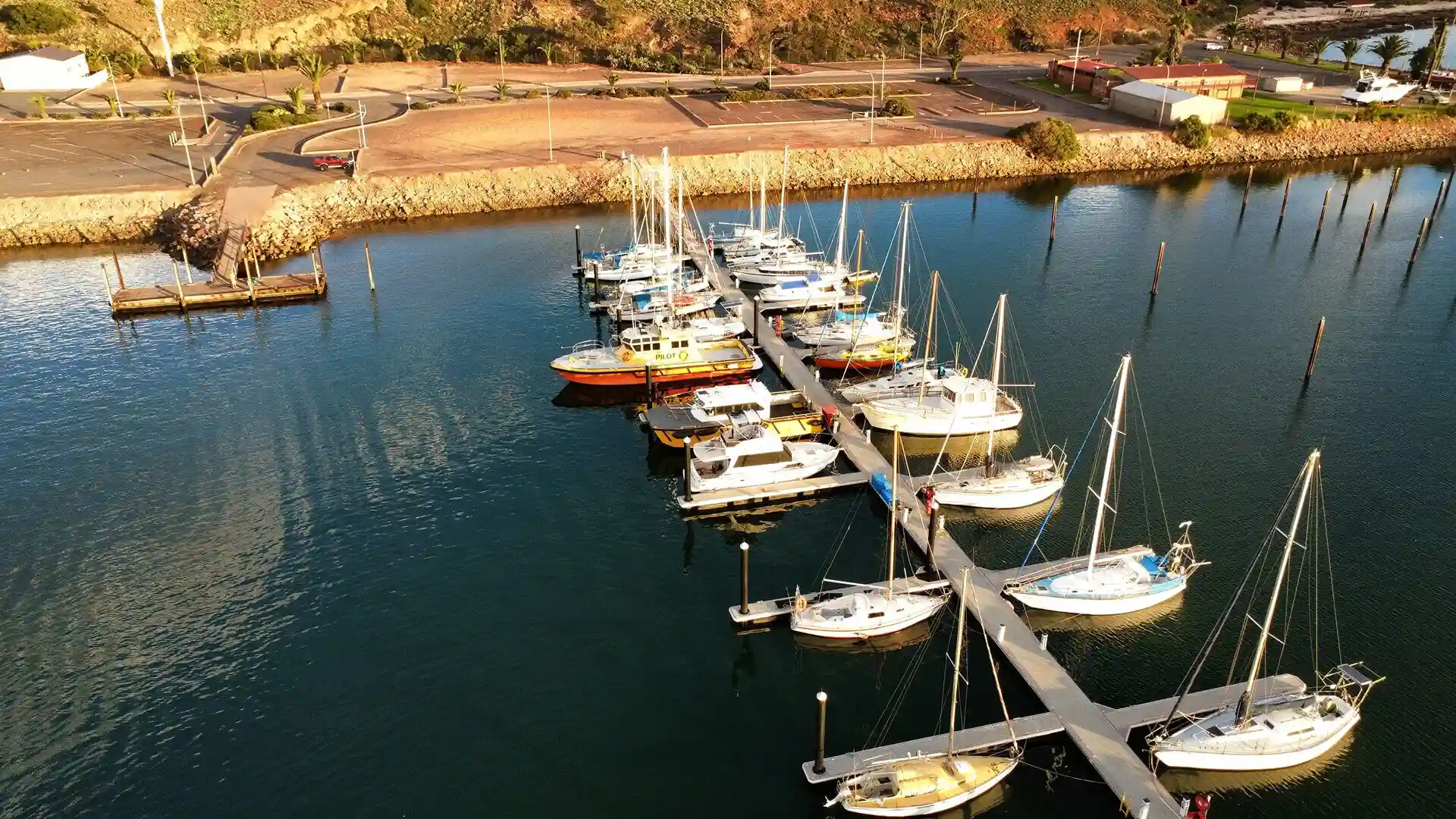
We’ve worked with boat owners from all over Australia, and no matter the vessel, the goal is always the same: make the sale simple, secure and stress-free. Whether you’re selling from a backyard trailer, a driveway, a dry rack or a marina berth, we can help.
If you're looking for a faster, simpler way to sell your boat, here’s why more sellers are choosing us over the old-school alternatives:
- Fully digital quote and purchase process
- Instant payment via Osko
- We organise pick-up anywhere in Australia
- Paperwork sorted for you
- Friendly, experienced buyers who know boats
- No listings, no consignment, no haggling, no runaround
We’re licensed, we’re insured, and we follow proper transfer and compliance procedures every step of the way. That means you don’t have to worry about a thing.
Get your boat quote today
If you're ready to sell your boat (or just want to make an inquiry), the last thing you want is a drawn-out process full of back and forth. That’s why we’ve made it simple. You send us the details, we give you a fair quote, and if you're happy, we get the ball rolling.
There’s no need to list it, chase up buyers, or worry about whether the deal is real. We’ll organise everything and pay you instantly through Osko once the paperwork’s sorted.
Why wait? Sell your car online today!
Ready to get a competitive offer for your boat? Start with a free, no-obligation quote from 1800 Boat Buyers. Simply provide your boat's details, and we’ll take care of the rest.